Buying a condo in Dallas can seem like the perfect way to enjoy homeownership without the hassle of yard work or exterior maintenance. But before you take the plunge, it’s important to understand the hidden downsides that come with condo living—especially for first-time buyers in Texas.
According to local real estate data, condo prices in Dallas have risen steadily over the past few years, yet some buildings struggle with resale value or special assessments. Let’s explore the key considerations so you can make an informed choice.
What Is the Difference Between a Condo and a Single-Family Home?
A condo (short for condominium) means you own your individual unit but share ownership of common areas—like lobbies, pools, and parking garages—with other residents. In contrast, a single-family home offers complete control over your property and land.
This shared ownership model is convenient but can limit your independence. HOA rules may restrict renovations, rentals, or even the type of pets allowed.
What Hidden Costs Come with Dallas Condo Ownership?
The list price is just the beginning. Condo buyers in Dallas must also budget for monthly HOA fees, maintenance reserves, and potential special assessments—extra charges imposed when major repairs exceed the HOA budget.
For example, according to Investopedia, special assessments can run into thousands of dollars per unit for things like roof repairs or elevator replacements. These costs can appear suddenly and aren’t always negotiable.
How Do HOA Fees and Special Assessments Affect Your Budget?
HOA fees in Dallas condos typically range from $250 to over $1,000 per month, depending on the building’s amenities and location. While they cover things like landscaping and security, they can significantly impact your affordability.
Always ask for the HOA’s financial documents before you buy. If reserves are low or the community has a history of frequent special assessments, it could be a red flag.
What Risks Does a Poorly Managed HOA Pose?
A well-run HOA maintains property value, but a mismanaged one can do the opposite. Poor accounting, unpaid dues, or legal disputes among residents can drag down resale value and even lead to litigation.
Texas HOAs must comply with state laws, but enforcement varies. Always check the HOA’s meeting minutes and financial history to ensure it’s stable and transparent.
How Does Resale Potential Compare to Houses in Dallas Neighborhoods?
Condos tend to appreciate more slowly than single-family homes in Dallas, especially in areas with heavy new construction. That’s because condo buyers often prioritize lifestyle and location over investment value.
If you plan to sell within a few years, research local trends. In Dallas, neighborhoods like Uptown and Oak Lawn have seen strong demand for newer condos, while older buildings can linger on the market.
Are There Financing or Mortgage Challenges for Dallas Condos?
Yes—some condos are harder to finance. Lenders review not just your credit but also the condo association’s financial health. If too many units are rented out or the HOA has litigation, a lender may deny the loan.
For first-time buyers, this can be surprising. Always ask your lender if the building is FHA- or VA-approved, which makes financing easier...but be aware that few condos are FHA & VA approved in the Dallas area.
How Can a First-Time Buyer Protect Themselves When Buying a Dallas Condo?
To protect yourself, always:
-
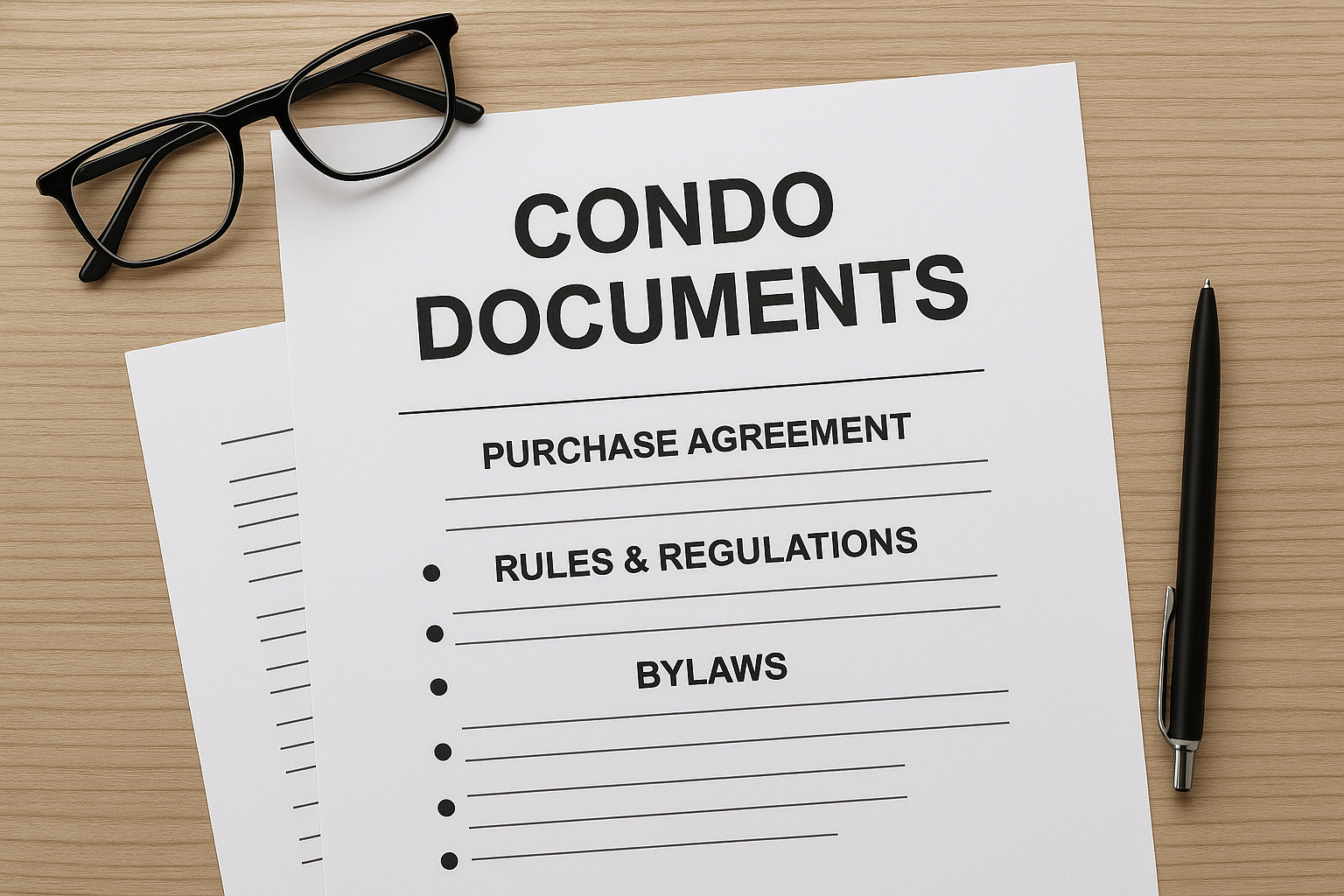
Review HOA bylaws and financial statements.
-
Hire a real estate attorney for contract review.
-
Ask the owners that you see on the property. I believe "everyone has an opinion about everything." (like it or not!)
Knowledge is your best defense against hidden costs or restrictions. Once you own your condo, be a part of the association, don't just sit back and let them run things without you knowing what's going on.
Is a Condo Still a Good Choice for First-Time Buyers in Dallas?
It can be—especially for those who value convenience, security, and location. However, the key is due diligence. Understand the costs, risks, and restrictions before signing on the dotted line.
If you’re uncertain, consider comparing a condo to a townhouse or small single-family home. You may find more freedom and long-term value for a similar monthly payment.
But lets' be honest - you can hardly touch a house in some of the hottest urban neighborhoods of Dallas for the price of a condo - and they don't really make 1-bedroom houses - like they do condos.
Why Work With an AI Certified Agent in Dallas
As an AI Certified Agent, I use advanced tools to help clients analyze properties, compare HOA stability, and identify undervalued condos before others notice them. This means you get data-backed insights and a smoother buying experience without surprises.
Technology helps me serve you faster, but my personal guidance ensures you never feel lost in the process.
Conclusion
Buying a condo in Dallas, TX can be a smart move—but only if you know what to watch out for. HOA stability, hidden costs, and resale potential all play a major role in your long-term satisfaction.
Contact me to start your Dallas TX home search. Whether you’re buying your first home or exploring condo living, I’ll guide you every step of the way.
Frequently Asked Questions
Q: How much are HOA fees typically in Dallas condos?
A: Fees usually range from $250 to $600 per month depending on amenities and building age. (and even higher for luxury highrise living)
Q: Can HOA dues increase dramatically?
A: Yes. Dues can rise when operating costs increase or when the HOA underestimates reserves.
Q: What should I look for when reviewing a condo association’s financials?
A: Look for a healthy reserve fund, no unpaid dues, and no pending lawsuits.
Q: Do condos in Dallas appreciate as reliably as houses?
A: Historically, houses appreciate faster due to land ownership, though condos in prime areas hold value well.
Q: Are there special insurance or liability issues condo owners face?
A: Yes—you need condo-specific insurance (HO-6 policy) to cover interiors and personal belongings...think along the lines of renter's insurance +. You won't be paying the full insurance rate that a person owning a house does.
